Turning an offline roofing business into a working platform.
Overview
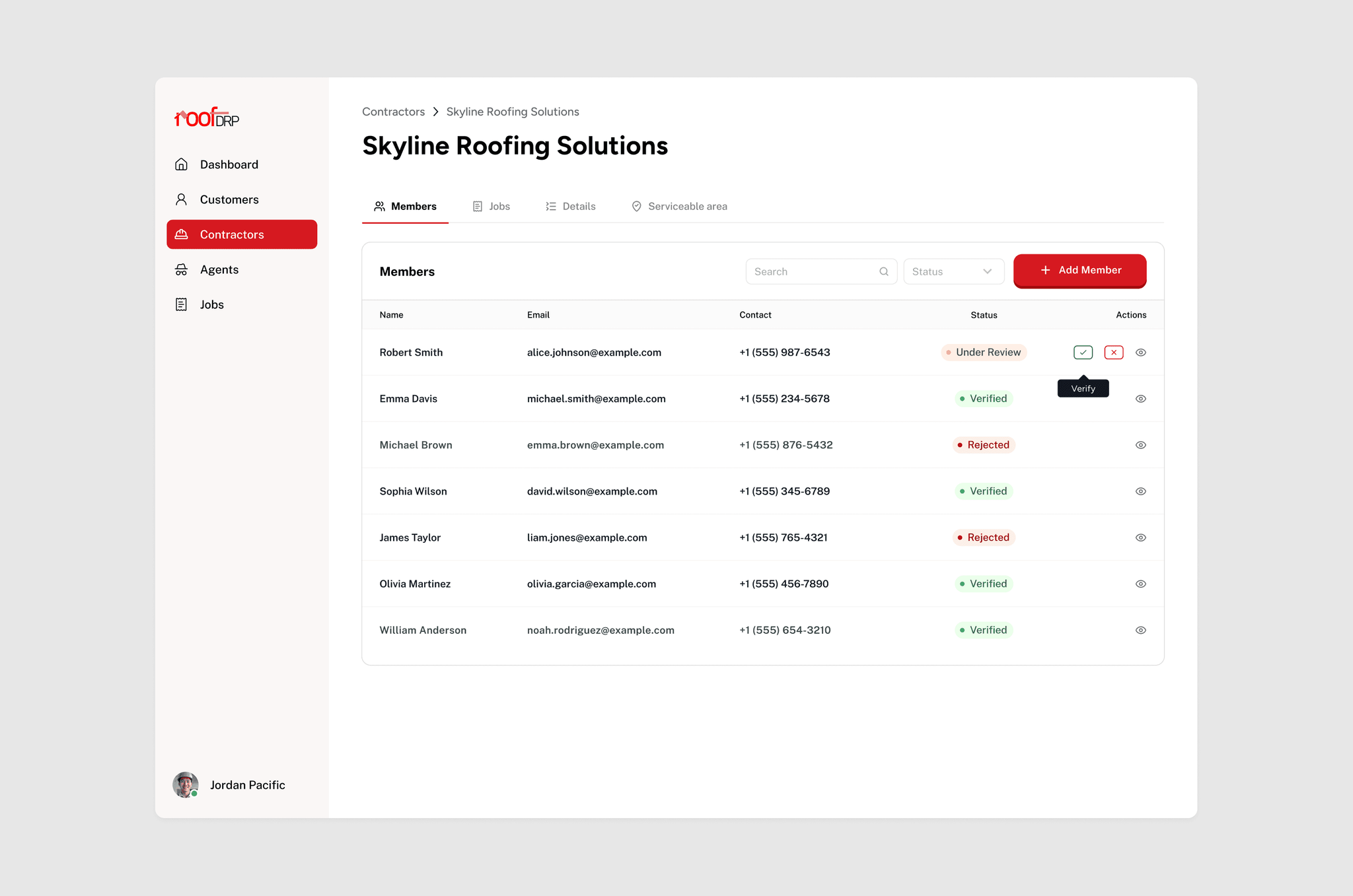
RoofDRP is a multi-sided platform that helps insurance agents, customers, contractors, and admins manage roof inspections, repairs, and replacements in one system. I designed it from the ground up — first understanding how the business operates offline, then translating that into clear, role-based flows that work together as a single platform.
Challenge
Replace a functioning offline process without slowing it down
- Understand an agent-led roofing workflow before designing any screens
- Convert informal, manual steps into structured digital flows
- Help customers navigate an unfamiliar process with confidence
- Give contractors everything they need to manage jobs in one place
- Ensure admins can monitor jobs and outcomes without manual tracking
- Keep discovery, communication, and execution inside the platform
- Understand where handoffs break down and why people fall back to offline tools
Role
Designed the core system across all four user roles
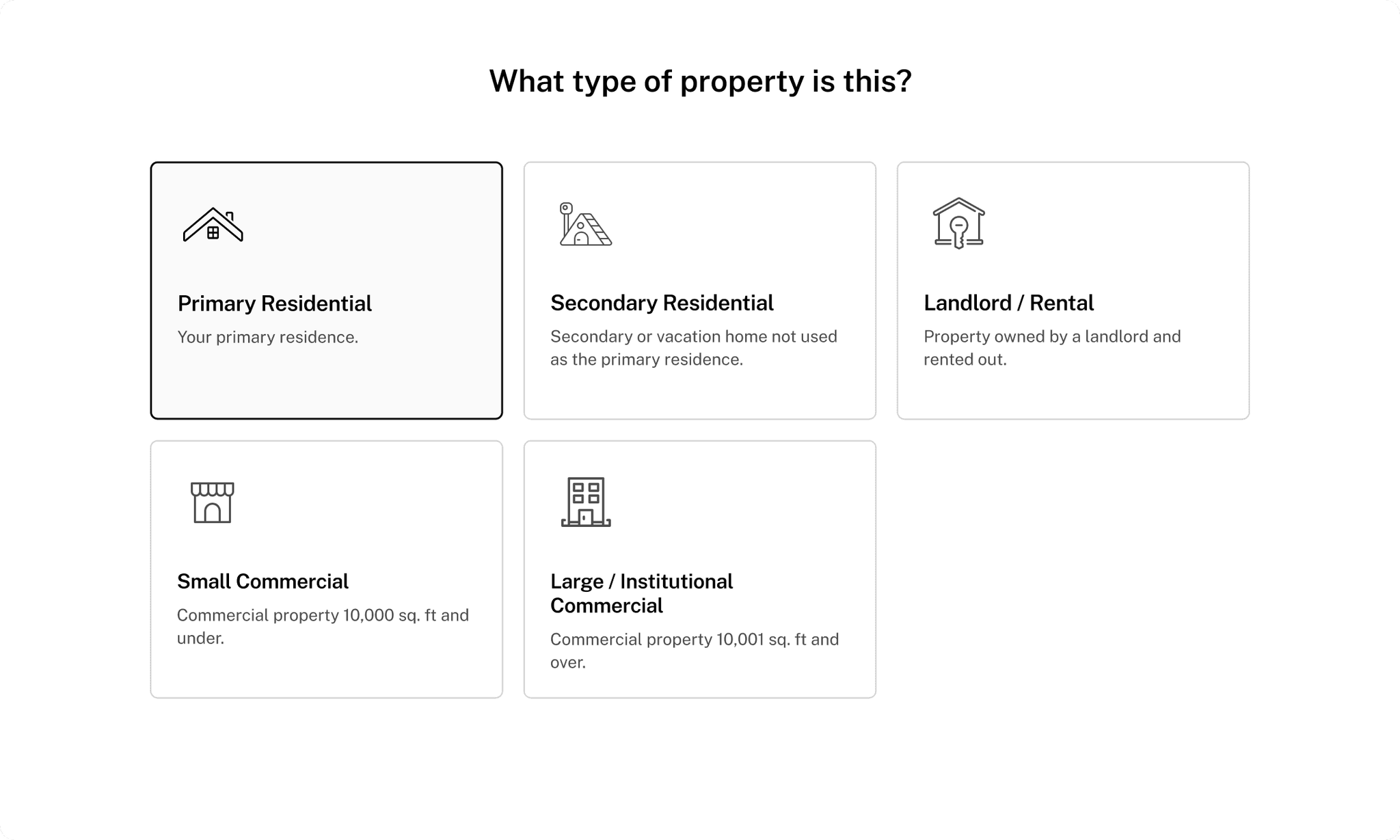
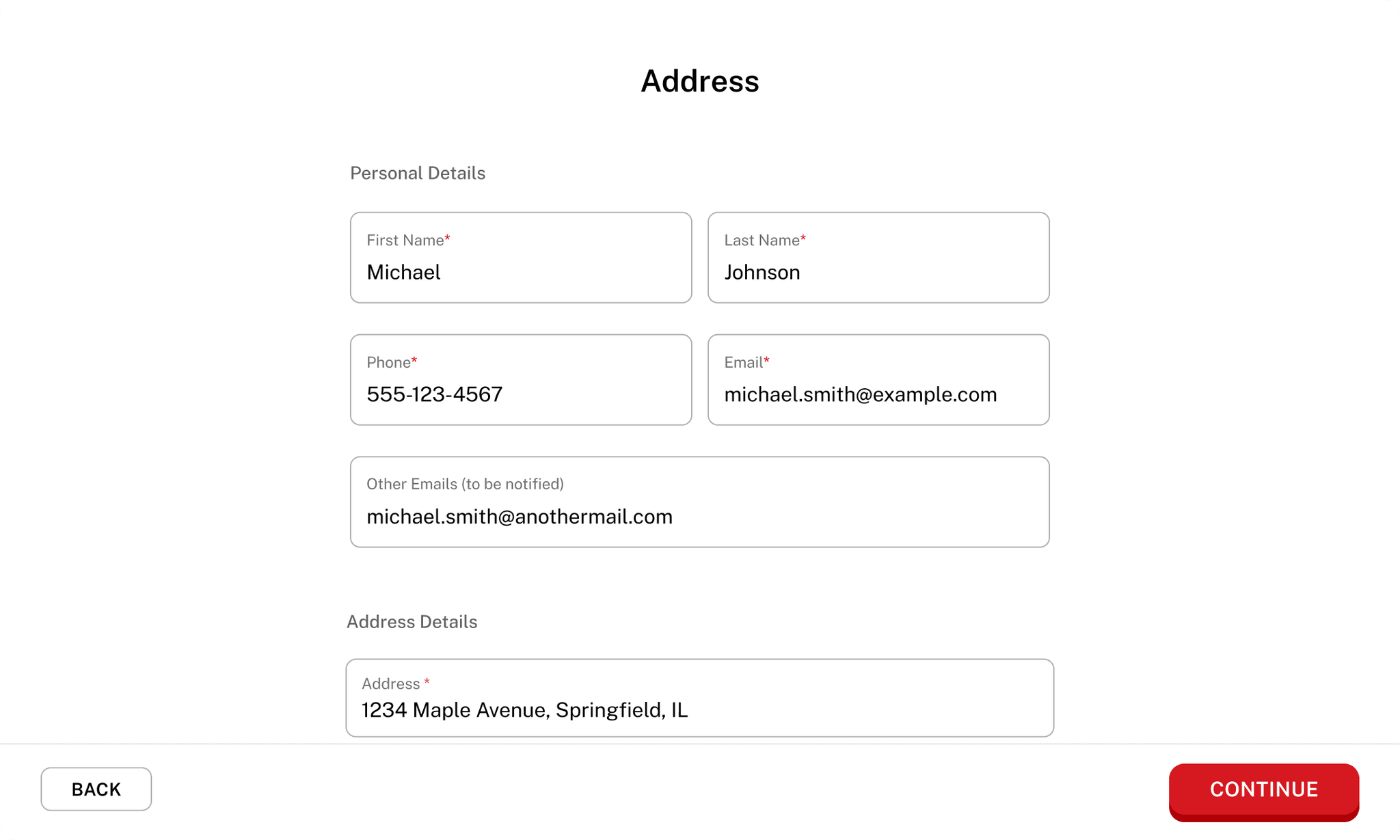
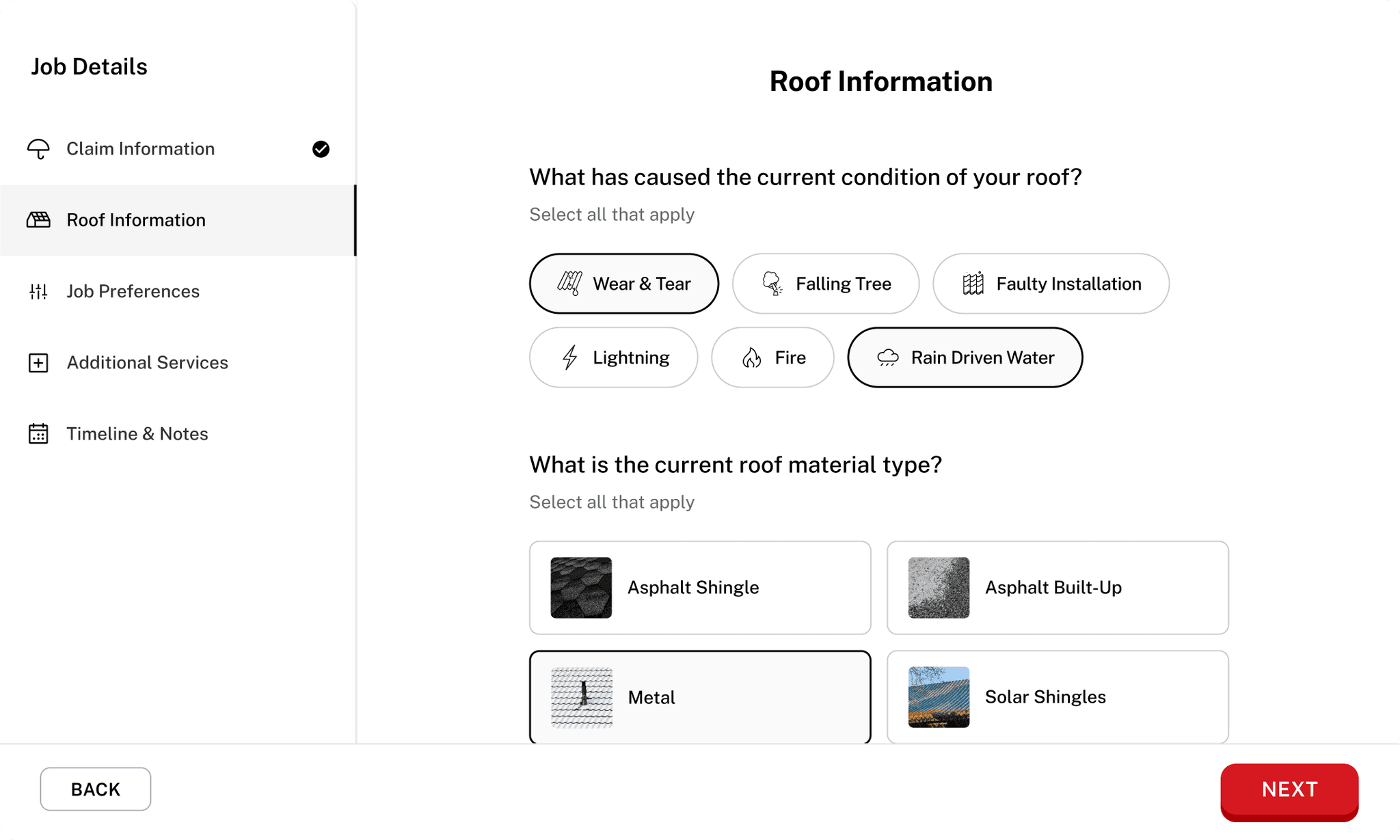
- Job creation → guided step-by-step flow instead of a long form, reducing cognitive load
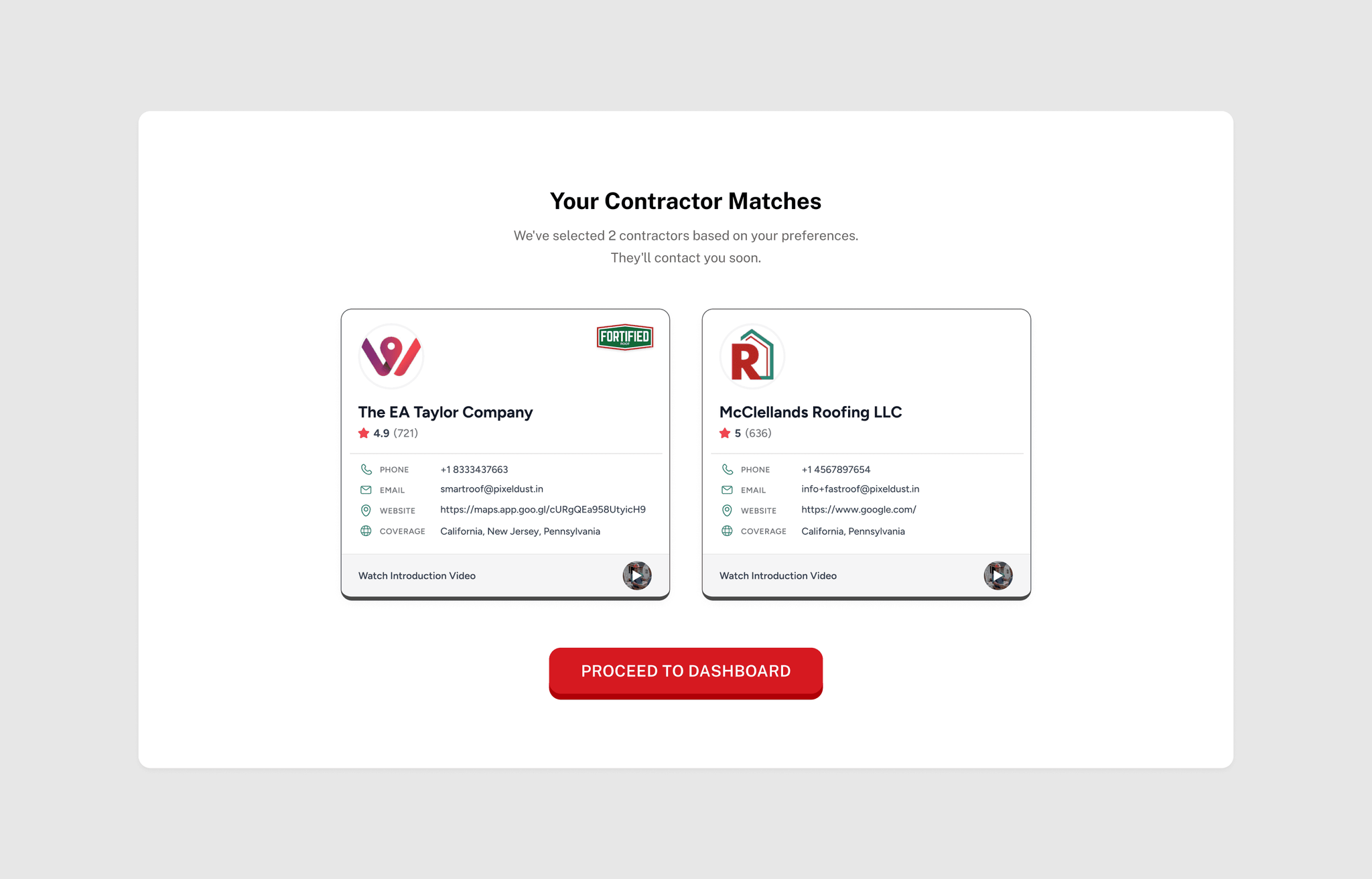
- Contractor selection → system assigns up to three relevant contractors, removing decision fatigue
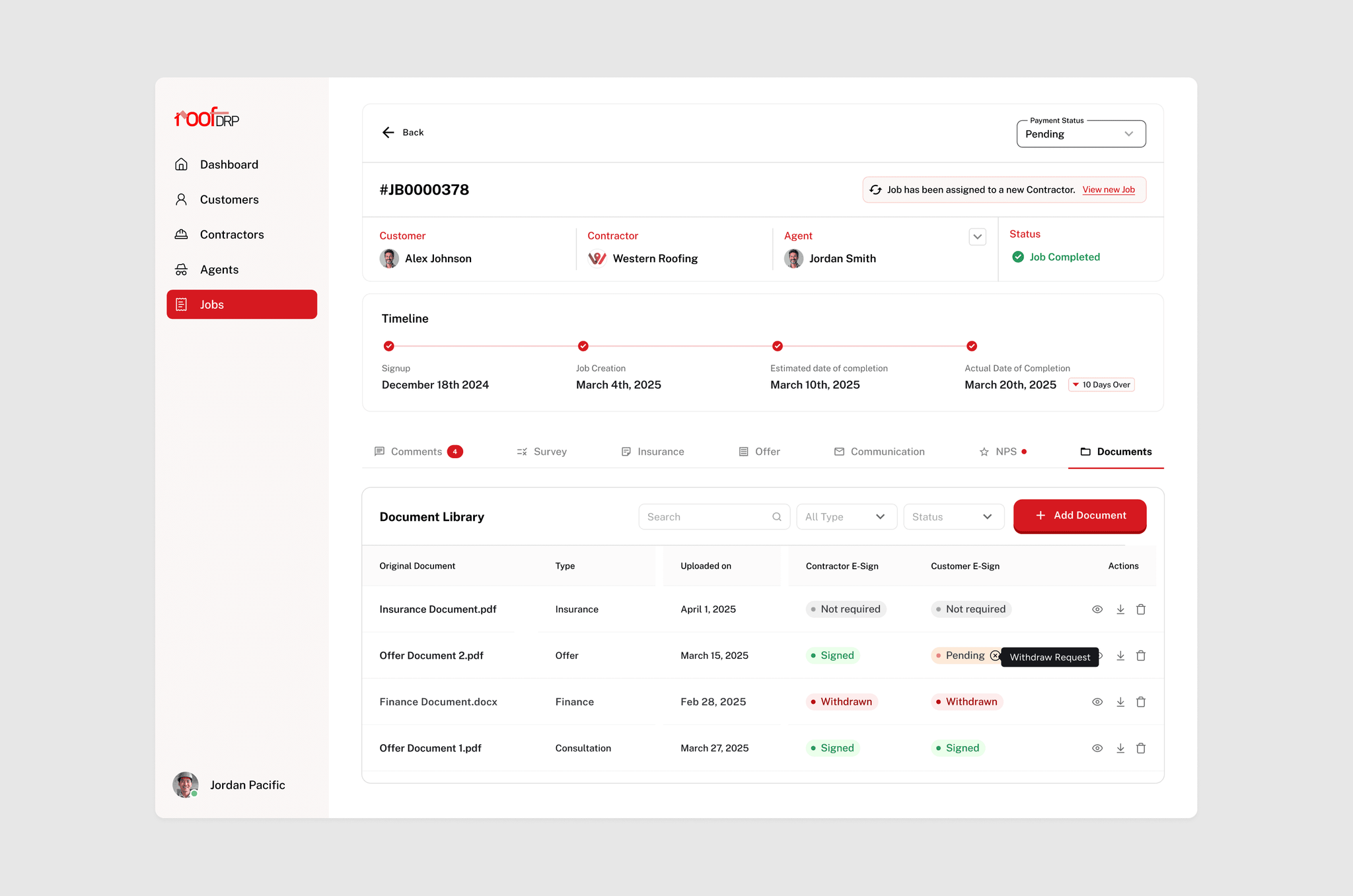
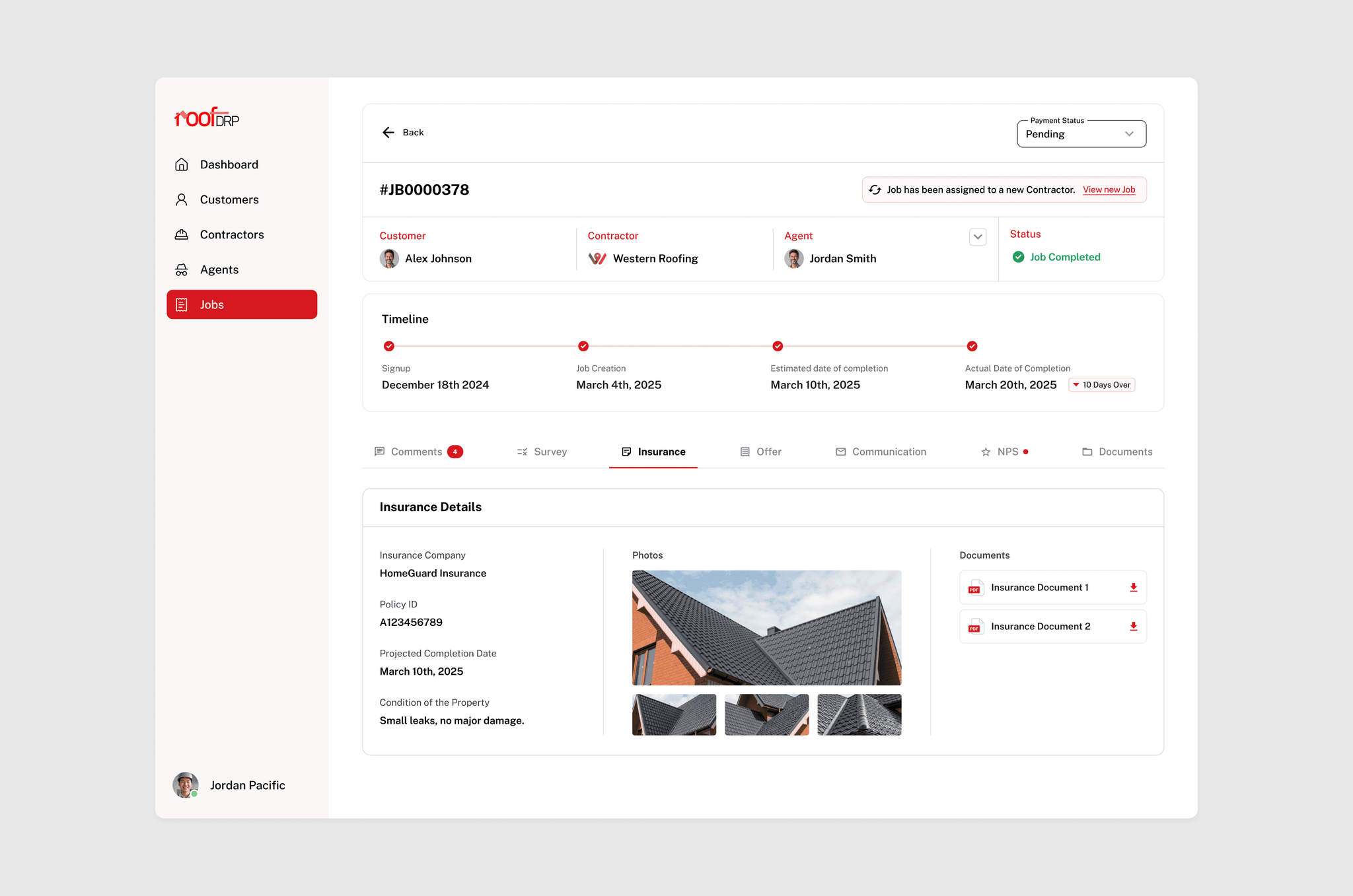
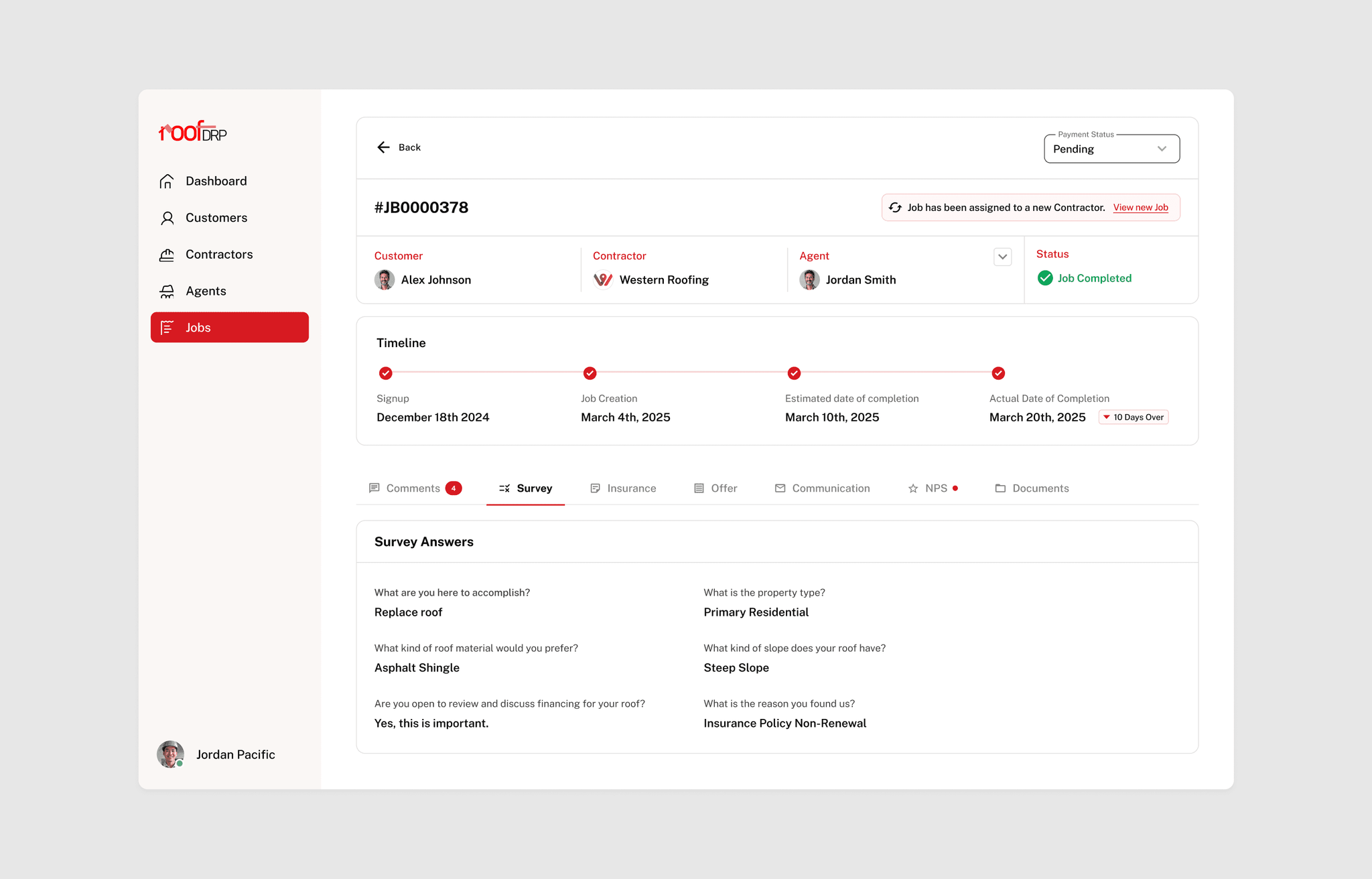
- Jobs as single source of truth → status, timelines, communication, documents, signatures in one place
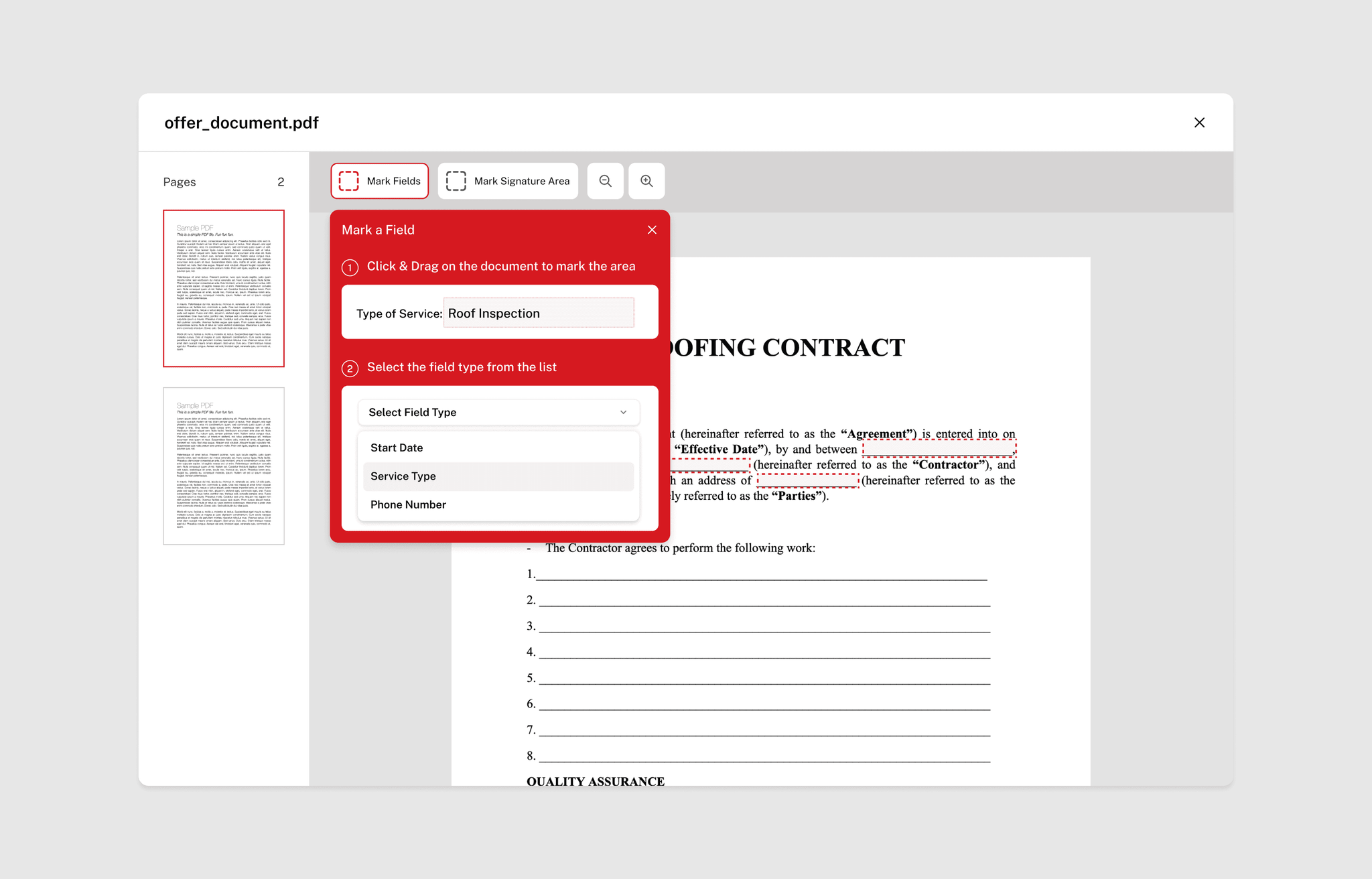
- Embedded document templates with e-signatures directly in the job flow
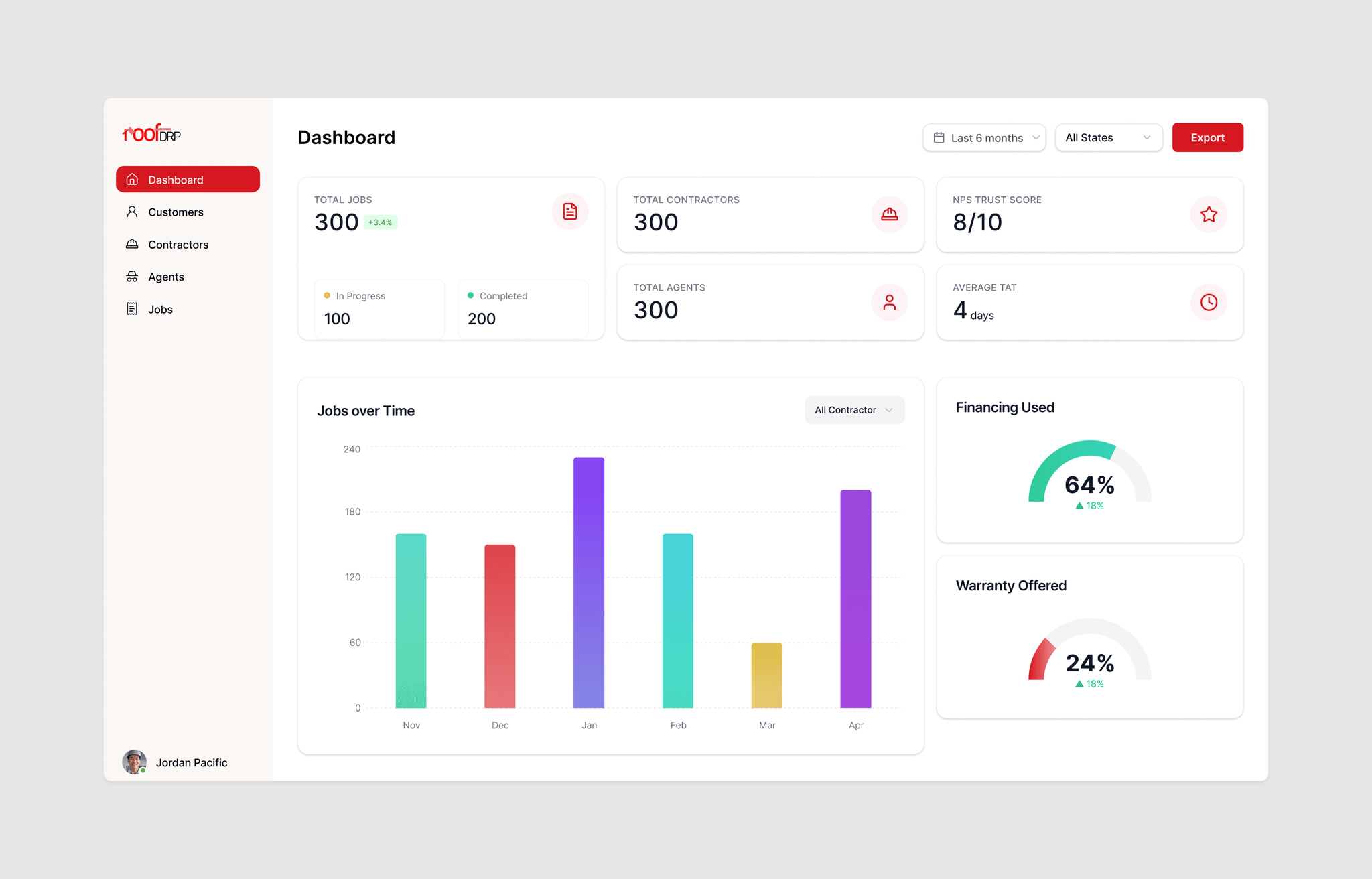
- Dashboards for execution and visibility — progress signals, not vanity metrics
- Spoke to contractors and customers, mapped the full job lifecycle and every handoff
Approach
The challenge wasn't designing screens — it was alignment
- RoofDRP had to work for customers, contractors, and admins in one system
- Designed around the job, not the user — every role sees the same job differently
- One shared system with role-specific layers on top
- Principle: don't force users to understand the system, let the system adapt to them
- The same job feels simple to a customer and detailed to a contractor
- Only moved into flows and sketches after the system was fully mapped
25-30%
More job completions
~20%
Faster turnaround
Key takeaway
“What didn't work initially was assuming users would patiently fill in everything upfront. They needed clarity and reassurance before committing to details. Once workflows were simplified and ownership was clear, impact showed up quickly — iterating on real usage data improved completion and reduced drop-offs over time.”